Understanding your chronic conditions
Hypertension
Hypertension

High blood pressure, also called hypertension, is blood pressure that is higher than normal.
High blood pressure is consistently at or above 130/80 mm Hg.
Your blood pressure changes throughout the day based on your activities. Having blood pressure consistently above normal may result in a diagnosis of high blood pressure.
The higher your blood pressure levels, the more risk you have for other health problems, such as heart disease, heart attack and stroke (CDC, 2026)
Diabetes
Hypertension
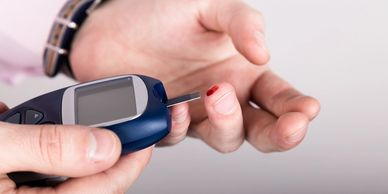
Diabetes is a chronic (long-lasting) health condition that affects how your body turns food into energy. There are three main types of diabetes: type 1, type 2, and gestational diabetes (diabetes while pregnant). With type 2 diabetes, your body doesn’t use insulin well and can’t keep blood sugar at normal levels. It develops over many years and is usually diagnosed in adults (CDC, 2026)
High Cholesterol
High Cholesterol
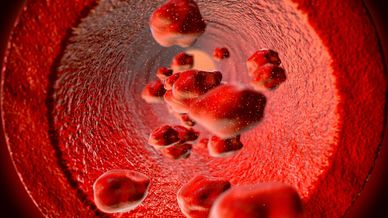
Having high blood cholesterol can lead to a buildup called "plaque" on the walls of your arteries (blood vessels). As plaque builds up over time, the insides of your arteries narrow. This narrowing blocks blood flow to and from your heart and other organs. When blood flow to the heart is blocked, it can cause chest pain or a heart attack (CDC, 2026)